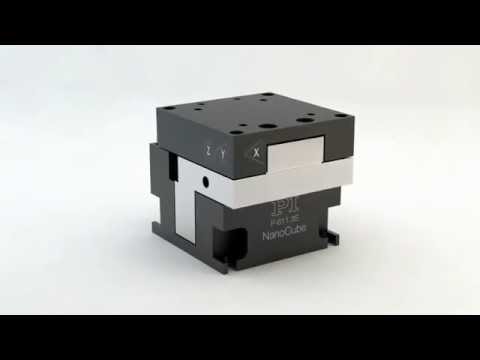
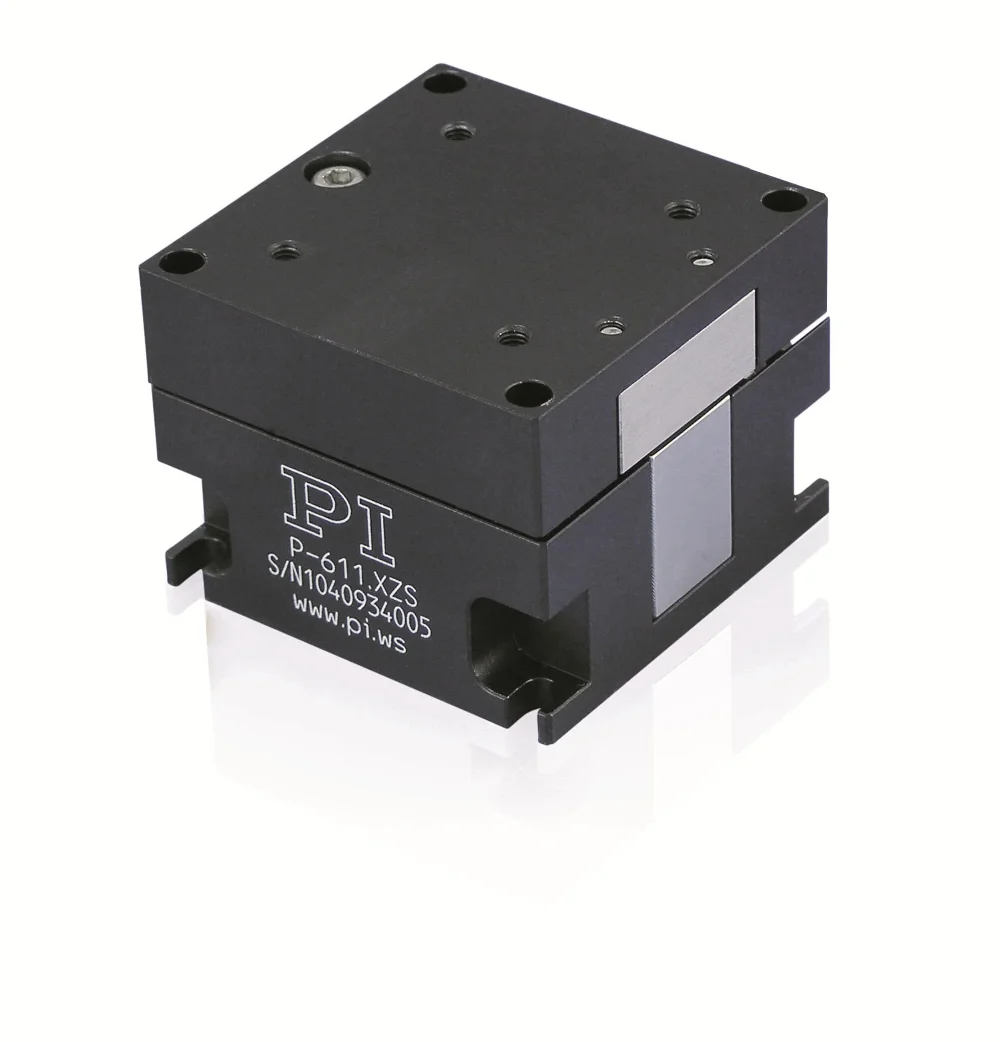
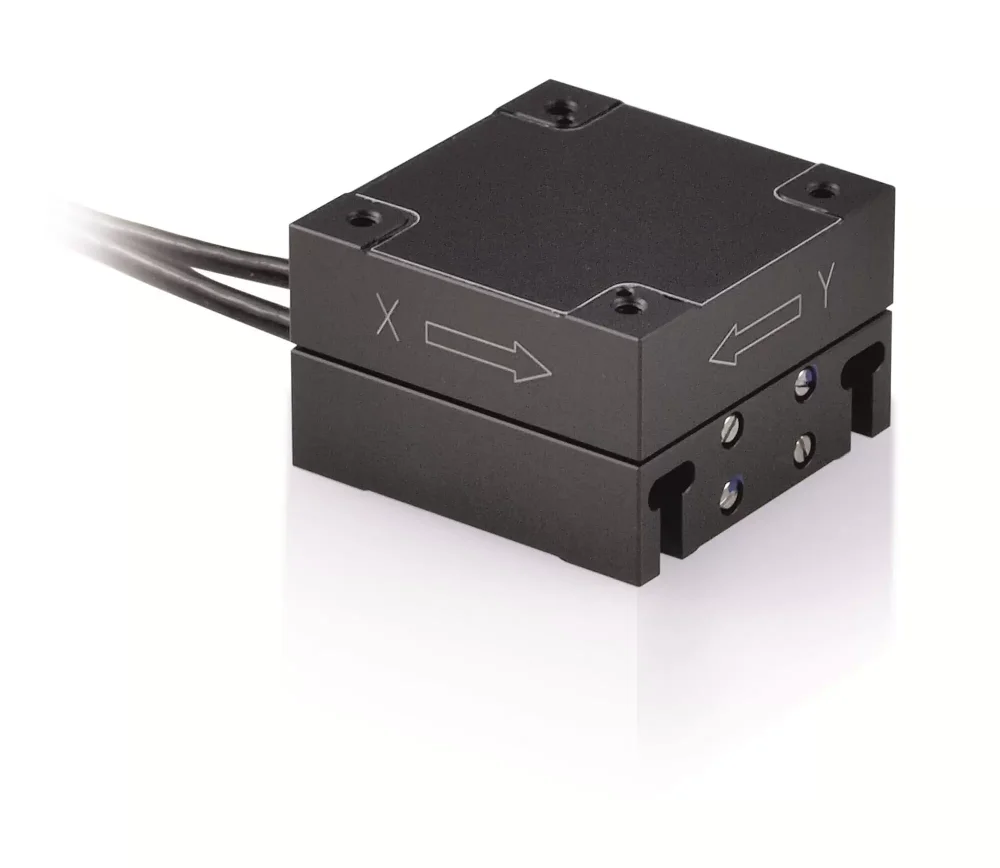
PICMA® piezo actuators are integrated into high-precision 2-axis nanopositioning systems for optimal dependability. The use of premium nanometrology sensors enables repeatable, drift-free positioning with maximum stability.
Scanning and tracking procedures often employ 2-axis piezo scanners for modest loads. Their quick step-and-settle movements enhance optical equipment' resolution. These comprise image processing techniques used in camera technology and picture recognition, for use in biometrics or document archiving, among other things.
Highly precise linear motion in two axes (2-DOF) is offered by XY piezo stages. There are various techniques to design 2-axis piezo stages. The best guiding accuracy is offered by flexures cut using wire EDM (Electric Discharge Machining). A monolithic planar design (one module) with parallel kinematics and parallel metrology position feedback is advised for the best performance and optimal dynamics. There are other nested or stacked 2-axis, X-Y stage designs that exchange the flexibility of modularity for more height and inertia and less dynamic performance.
Nanometer Precision XY-Motion without Friction
PI piezo nanopositioning stages can offer positioning resolution as small as one nanometer because of the frictionless design of the drive system (solid-state piezo stack actuators), sensors, and flexure-based guiding system. The majority of PI's XY piezo stages have an ID chip that stores calibration information for the digital piezo controller, enabling field swapping of the stage and controller without the need for recalibration. The bandwidth, linearity, position stability, and step-and-settle times are all considerably improved in the most recent generation of digital piezo motion controllers.