Gyroscopic instruments, i.e. gyroscopes, can detect and measure a rotary motion or acceleration of the external reference system in relation to the rotating mass. For example, built into theodolites they are used for precise measurements in geodesy, mining, or geology. Due to their properties, gyroscopes are also used for active attitude control in aerospace and marine applications. The ISS space station, for example, uses the gyrocompass to determine its position in space. Even many smartphones have a built-in gyrocompass for navigation and location.
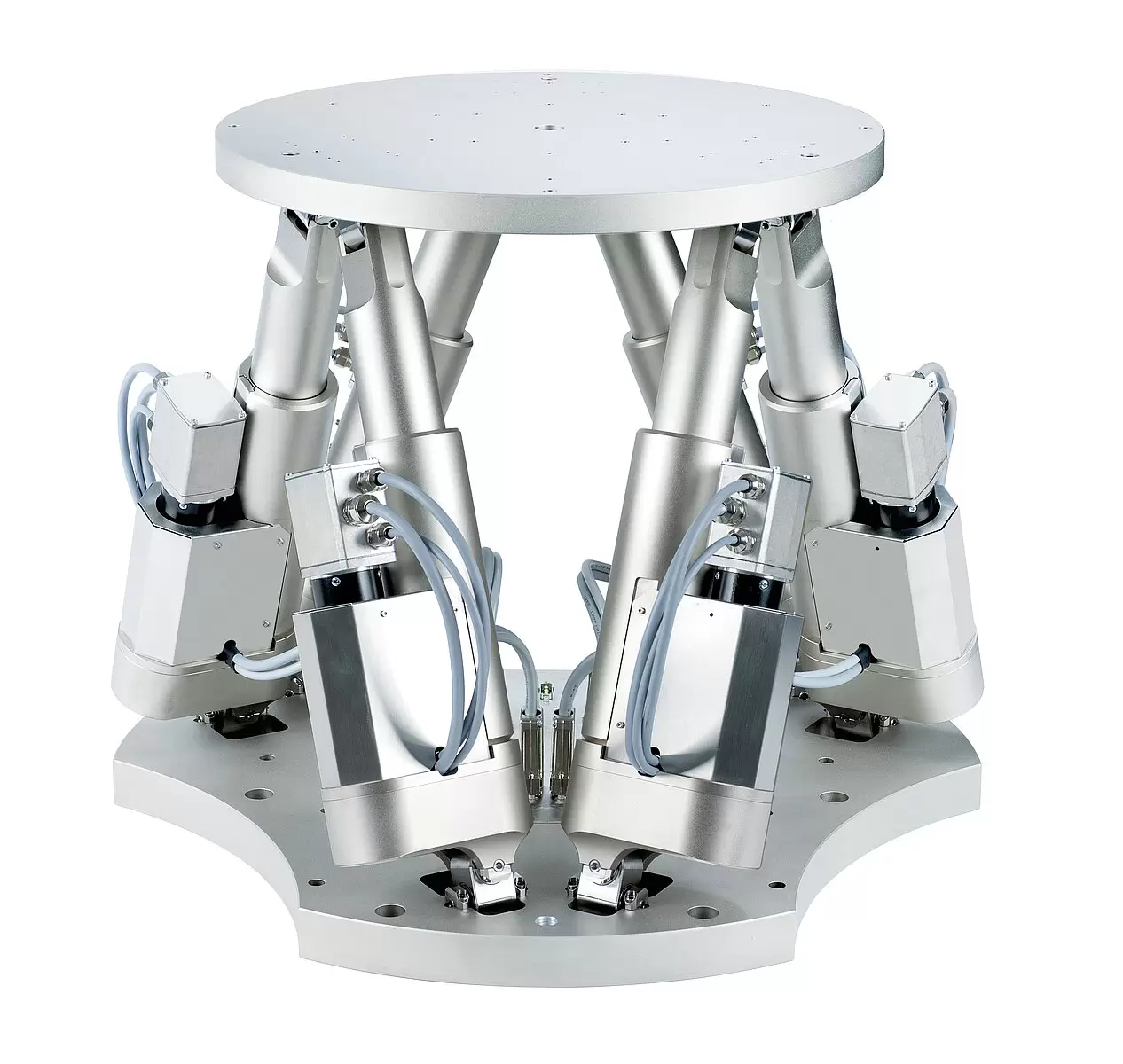
In order to qualify gyrocompasses, real conditions such as ship movements must be simulated. ISO standards exist that describe the motion profiles and performance requirements in detail for these test procedures. The combination of reaching a target position with a certain precision and the translational and rotational movements (roll, pitch, yaw) is a challenging task that can be performed by specifically designed hexapods.

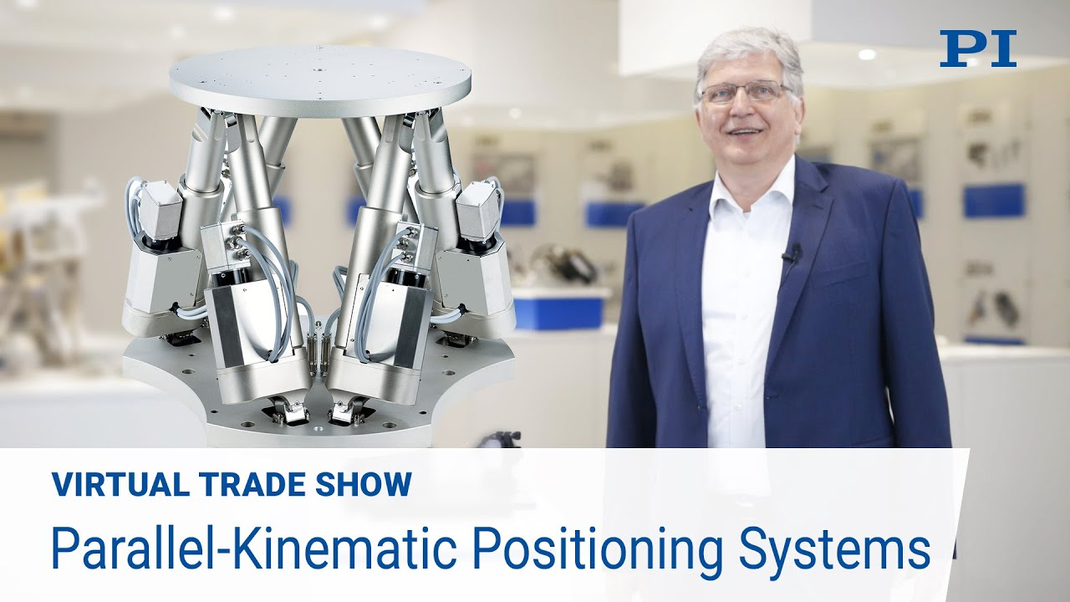
Business Development Manager Rolf Ellerbrock explains the advantages of the motion solution
Key Features of Hexapods
- Three linear axes, three rotational axes
- High stiffness
- Excellent dynamic behavior, fast step-and-settle
- Excellent repeatability
- No cable management at the motion platform required

Motion Simulation Applications Benefit from
- Multiple degrees of freedom
- Freely definable center of rotation
- Tracking of predefined trajectories
- Motion frequencies to 50 Hz*
- CIPA certification*

Motion Control
- Easy commanding of target positions in Cartesian coordinates
- Coordinate transformation for parallel kinematics is handled by the controller
- Reference system (work, tool) can be quickly and easily changed
- Definition of sine curves and/or arbitrary trajectories
- Support of motor brakes and absolute-measuring sensors with BiSS interface
- Analog input available
- Easy integration in automation processes via industrial EtherCAT® interface
*depending on the hexapod used
Further Industries and Applications that Benefit From Motion Simulation with Hexapods

Ship and Marine Technology: Gyrocompass Testing According to ISO 20672, ISO 8728, and ISO 16328

Automotive: Testing of Vibration Resistance – Testing of Cameras for Driver Assistance Systems

Quality Assurance: Testing of Image Stabilization Systems of Cameras – Testing of Gyroscopic Sensors of Smartphones
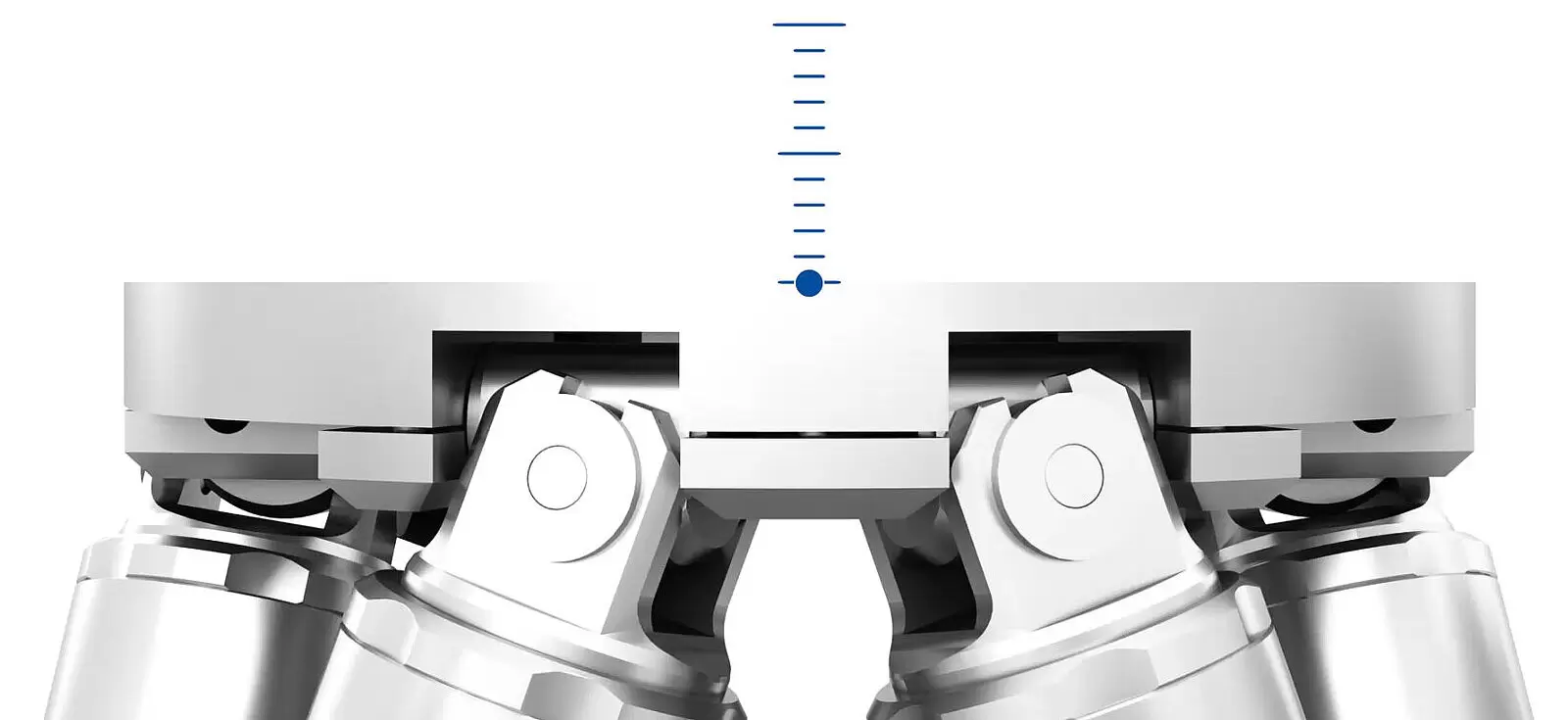
Freely Definable Center of Rotation
The freely definable rotation or pivot point is an essential feature of the parallel-kinematic hexapod. This means that the motion of the hexapod platform can be specifically adapted to the position of the gyroscope so that ideal realistic conditions can be created.